
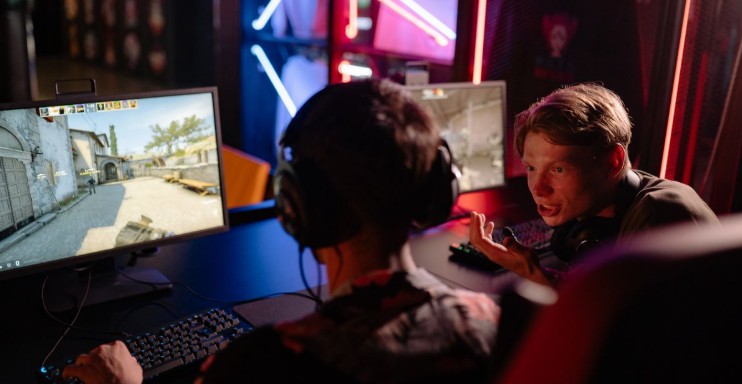
The Social Energy Behind Online Gaming’s Worldwide Appeal

Have you ever asked yourself why online gaming feels so social, even when everyone is sitting in different rooms? That pull comes from more than competition or flashy visuals. People keep coming back because games create shared moments, quick reactions, inside jokes, and a sense of being part of something happening right now.
Online play has grown across countries and age groups because it fits a basic human habit: we like doing things together. A match, a quest, or a casual session can become a place to talk, cooperate, and relax after a long day. For many players, the social side matters just as much as the mechanics on screen.
That social energy helps explain why online gaming has such broad appeal. It can connect old friends, introduce new ones, and turn a solo evening into a group activity. Once you look past the screen, the appeal starts to make a lot more sense.
Why Connection Matters So Much
At its core, online gaming gives people an easy way to spend time together.
Shared Activity Feels More Natural Than Small Talk
For a lot of people, conversation flows better when there is something happening in front of them. A game gives players a common focus, so chat feels lighter and more natural. Instead of forcing a discussion, people react to moments as they happen, and that often leads to stronger bonds.
Fast Feedback Builds Group Energy
Online games are full of instant responses. A teammate helps at the right moment, someone makes a smart call, or a group celebrates a close win. That quick loop of action and reaction creates momentum. It makes people feel seen and involved, which is a big reason social play can feel so satisfying.
How Games Create Community
Beyond one match or one session, games often turn repeated play into regular social habits.
Routines Turn Players Into Familiar Faces
When people log in around the same time each day or each week, they start recognizing each other. Familiarity builds comfort, and comfort makes interaction easier. Over time, a casual player can become part of a group without much effort at all.
Different Spaces Attract Different Social Styles
Not every online gaming space works the same way. Some are loud and competitive, while others are slower and more chat-based. That range helps many types of players find a setting that fits them. Even interest in topics around play, including things like สล็อตเว็บตรง, often grows through discussion with others rather than through solo browsing.
The Role Of Teamwork And Trust
Social appeal gets stronger when players depend on each other.
Cooperation Gives People A Real Role
Team-based play gives each person a job to do. One player might lead, another might support, and someone else might focus on timing or planning. Having a role helps people feel useful. That feeling matters, especially in online spaces where identity often comes through action instead of appearance.
Trust Forms Through Repeated Success
Trust in games usually starts small. A player keeps good timing, gives clear information, or stays calm under pressure. After enough shared sessions, that reliability becomes social glue. People remember who they work well with, and they often return for that reason as much as for the game itself.
Why Online Gaming Crosses Borders So Easily
One reason for its global appeal is how easily social play travels across distance.
Games Offer A Shared Language Of Action
People do not always need long conversations to connect. Movement, timing, cooperation, and reaction can communicate a lot on their own. That makes online gaming accessible across cultures, because players can understand each other through play even when their spoken language differs.
Digital Spaces Stay Open Around The Clock
Because players join from different time zones, someone is almost always online. That creates a constant sense of activity and makes communities feel alive. In many corners of online culture, including conversations around สล็อตเว็บตรง, the appeal often grows from this nonstop social availability and the ease of finding people with similar interests.
What Keeps People Coming Back
Long-term appeal usually comes from emotional connection, not just novelty.
Memory And Routine Matter More Than Many People Think
Players remember funny mistakes, close finishes, and late-night chats. Those memories turn sessions into stories, and stories give a group its own identity. When gaming becomes part of a routine, it can feel similar to meeting friends at a regular hangout spot.
Low Pressure Social Time Has Real Value
Online gaming also works because it offers casual social contact without too much formality. People can join for ten minutes or stay for hours. That flexibility makes it easier to keep friendships active, especially when school, work, or distance makes in-person time harder to arrange.
What The Bigger Picture Shows
The social side helps explain why online gaming appeals to so many people in so many places.
Play Is Often A Social Need In Disguise
When people think about gaming, they sometimes focus on graphics, skill, or competition. But a big part of the attraction is simpler than that. People want company, shared attention, and moments that feel alive. Online games deliver those things in a format that is easy to access and easy to repeat.
Connection Is The Real Fuel
Online gaming keeps growing because it gives people more than something to do. It gives them a place to laugh, cooperate, talk, and build familiarity over time. That social energy is not a side feature. It is one of the main reasons online gaming continues to connect people across countries, schedules, and daily routines.